


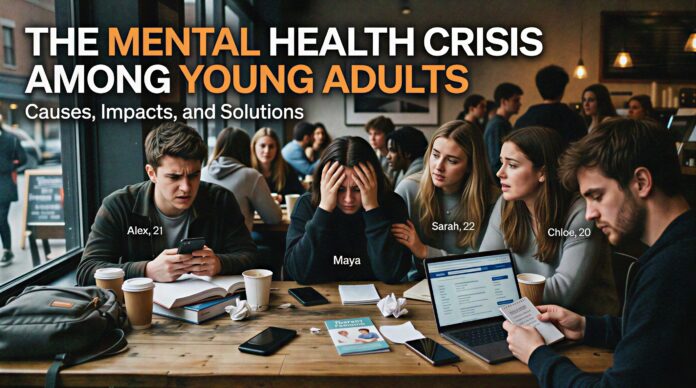
In recent years, mental health has emerged as a critical global issue, particularly among young adults. According to the World Health Organization, approximately one in seven 18- to 25-year-olds worldwide experiences a mental disorder, ranging from anxiety and depression to more severe conditions such as bipolar disorder or schizophrenia. Despite growing awareness, stigma and lack of accessible resources continue to make mental health care a significant challenge for this demographic. This article explores the causes, impacts, and potential solutions to the mental health crisis among young adults.
Understanding Mental Health in Young Adults
Mental health encompasses emotional, psychological, and social well-being, influencing how individuals think, feel, and act. For young adults, typically defined as individuals aged 18–30, this period is characterized by transitions in education, employment, relationships, and independence. These life changes make young adults particularly vulnerable to mental health issues.
Mental health problems can manifest as:
- Persistent sadness or irritability
- Excessive anxiety or worry
- Social withdrawal or isolation
- Changes in sleep or appetite
- Difficulty concentrating or performing daily tasks
Left unaddressed, these issues can severely impact personal development, academic performance, career progression, and overall quality of life.
Major Causes of Mental Health Challenges
Several factors contribute to the rising mental health issues among young adults. These can be broadly categorized into social, environmental, and biological factors.
1. Academic Pressure and Career Uncertainty
In an increasingly competitive world, young adults face immense pressure to succeed academically and secure stable employment. The fear of failure, high expectations from family and society, and student debt can lead to chronic stress and anxiety. For instance, surveys from American College Health Association reveal that over 60% of college students report feeling overwhelming anxiety during their academic careers.
2. Social Media and Digital Influence
While technology connects people, it also creates new stressors. Social media platforms such as Instagram and TikTok often portray curated, idealized versions of life. Young adults may compare themselves to peers, leading to feelings of inadequacy, low self-esteem, and depression. Additionally, the constant online presence can disrupt sleep patterns and reduce face-to-face social interactions.
3. Economic and Financial Stress
Rising living costs, housing instability, and limited job opportunities add financial stress that disproportionately affects young adults. The uncertainty of achieving financial independence can exacerbate mental health struggles, particularly when combined with other stressors like academic or relationship pressures.
4. Biological and Genetic Factors
Mental health disorders are also influenced by genetics and neurobiology. A family history of depression, anxiety, or other psychiatric disorders increases the likelihood of similar conditions in young adults. Moreover, hormonal changes, brain development, and neurotransmitter imbalances play crucial roles in emotional regulation during this stage of life.
5. Trauma and Life Events
Exposure to traumatic experiences—such as abuse, bullying, loss of a loved one, or serious illness—can have long-lasting effects on mental health. For some young adults, unresolved trauma contributes to the development of anxiety disorders, depression, or post-traumatic stress disorder (PTSD).
Impacts of Poor Mental Health
The consequences of untreated mental health issues extend beyond the individual to society at large.
1. Academic and Professional Consequences
Mental health struggles can hinder cognitive functions like memory, focus, and decision-making, negatively affecting academic performance. College students experiencing depression or anxiety are more likely to drop out or underperform. Similarly, in professional settings, untreated mental health issues can reduce productivity, engagement, and career advancement opportunities.
2. Physical Health Implications
Mental and physical health are deeply interconnected. Chronic stress and anxiety can lead to insomnia, fatigue, gastrointestinal problems, and cardiovascular issues. Depression is also associated with weakened immunity, making young adults more susceptible to illness.
3. Social Isolation and Relationship Strain
Mental health disorders often result in withdrawal from social networks, creating feelings of loneliness and isolation. Interpersonal relationships may suffer due to mood swings, irritability, or inability to communicate effectively, further worsening mental health conditions.
4. Risk of Substance Abuse
Young adults struggling with untreated mental health issues may turn to alcohol, drugs, or other substances as coping mechanisms. Substance abuse can create a dangerous cycle, exacerbating mental health problems and introducing new challenges like addiction.
5. Suicide and Self-Harm
Perhaps the most alarming consequence is the increased risk of suicide. According to the Centers for Disease Control and Prevention, suicide is among the leading causes of death in young adults aged 18–29. Early detection, intervention, and support are critical to prevent tragic outcomes.
Strategies to Support Mental Health
Addressing the mental health crisis requires a multi-faceted approach involving individuals, families, educational institutions, employers, and policymakers.
1. Raising Awareness and Reducing Stigma
Education about mental health is crucial. Awareness campaigns, workshops, and social media initiatives can help young adults recognize symptoms, seek help, and support peers. Reducing stigma encourages open conversations and normalizes the pursuit of mental health care.
2. Access to Mental Health Services
Timely access to professional help is vital. Universities and workplaces can provide counseling services, helplines, and therapy sessions. Teletherapy platforms such as BetterHelp and Talkspace have expanded access, particularly for those in remote or underserved areas.
3. Promoting Healthy Lifestyle Choices
Physical health supports mental well-being. Regular exercise, balanced nutrition, and adequate sleep help regulate mood, reduce stress, and improve cognitive function. Mindfulness practices such as meditation, yoga, or journaling also support emotional resilience.
4. Fostering Social Connections
Encouraging young adults to maintain friendships, participate in community activities, and seek support from peers or mentors strengthens social bonds. Social connections serve as protective factors against mental health decline.
5. Stress Management and Coping Skills
Equipping young adults with tools to manage stress is essential. Cognitive-behavioral techniques, problem-solving skills, and time management strategies can reduce anxiety and improve coping with life challenges.
6. Policy-Level Interventions
Governments and institutions play a key role by funding mental health programs, ensuring insurance coverage for mental health services, and regulating workplaces and schools to promote well-being. Policies that address housing, employment, and financial support indirectly contribute to mental health stability.
The Role of Technology
Technology has a dual role in mental health—it can exacerbate problems or provide solutions.
- Digital Mental Health Tools: Apps for meditation, mood tracking, and cognitive-behavioral therapy help young adults manage symptoms and monitor progress.
- Online Communities: Virtual support groups allow individuals to connect with peers facing similar challenges, reducing feelings of isolation.
- Challenges: Overreliance on social media, excessive screen time, and cyberbullying can negatively impact mental well-being. Awareness and moderation are key.
Conclusion
The mental health crisis among young adults is a complex, multifaceted issue with serious implications for individuals and society. Academic pressure, social media influence, financial stress, trauma, and biological factors all contribute to rising rates of anxiety, depression, and other mental health disorders. Left unaddressed, these challenges can have devastating consequences on education, career development, physical health, relationships, and even life itself.
Addressing this crisis requires coordinated efforts across multiple levels. Raising awareness, providing accessible mental health services, promoting healthy lifestyles, fostering social connections, and implementing supportive policies are critical steps toward a more resilient generation. Technology, when used responsibly, can serve as both a preventative and therapeutic tool.
Ultimately, ensuring the mental well-being of young adults is not just a personal responsibility but a societal imperative. By investing in mental health resources, reducing stigma, and creating supportive environments, we can empower young adults to thrive, pursue their potential, and contribute positively to the world. Mental health is not a luxury—it is a fundamental aspect of life that deserves attention, compassion, and action.

