spot_img
Tuesday, May 12, 2026
spot_img
HomeDissertation WritingHow to Avoid Plagiarism in Academic Writing: The Ultimate Guide for Students

How to Avoid Plagiarism in Academic Writing: The Ultimate Guide for Students

-

Academic writing is one of the most important skills students develop during their educational journey. Whether you are writing essays, assignments, dissertations, coursework, research papers, or reports, universities expect your work to be original, properly referenced, and academically honest. One of the biggest mistakes students make in academic writing is plagiarism. Even unintentional plagiarism can lead to serious academic consequences, including grade penalties, failed assignments, disciplinary action, or damage to academic reputation.How to Avoid Plagiarism in Academic Writing

Many students assume plagiarism only means copying someone else’s work word-for-word. In reality, plagiarism is much broader than that. It includes poor paraphrasing, missing citations, accidental copying, self-plagiarism, improper referencing, and even using AI-generated text irresponsibly without verification or attribution. With universities now using advanced plagiarism detection tools such as Turnitin and AI-content detectors, avoiding plagiarism has become more important than ever.How to Avoid Plagiarism in Academic Writing

The good news is that plagiarism is completely avoidable when students understand proper academic writing practices. Learning how to conduct research ethically, cite sources correctly, paraphrase effectively, and organize notes properly can help students submit original and high-quality work confidently.How to Avoid Plagiarism in Academic Writing

This complete guide explains everything students need to know about avoiding plagiarism in academic writing. From understanding different types of plagiarism to mastering citation styles and paraphrasing techniques, this article provides practical strategies that students can apply immediately in university assignments and research projects.How to Avoid Plagiarism in Academic Writing


How to Avoid Plagiarism in Academic Writing: The Ultimate Guide for Students
Understanding Plagiarism in Academic Writing

Plagiarism occurs when someone uses another person’s ideas, words, research, or work without proper acknowledgment. Universities consider plagiarism a violation of academic integrity because academic writing is supposed to reflect a student’s own understanding, analysis, and research.How to Avoid Plagiarism in Academic Writing

Plagiarism can happen intentionally or accidentally. Some students deliberately copy material from websites, journals, books, or classmates. Others unintentionally plagiarize because they do not fully understand referencing rules or paraphrasing techniques. Regardless of intention, universities often treat both forms seriously.How to Avoid Plagiarism in Academic Writing

Academic institutions use plagiarism detection software to compare submitted work against online sources, academic databases, journals, and previously submitted papers. Even small similarities can be flagged during the review process.How to Avoid Plagiarism in Academic Writing

Understanding plagiarism is the first step toward avoiding it. Students must recognize that academic writing is not just about gathering information. It is about analyzing, interpreting, and presenting information responsibly while giving proper credit to original authors.
How to Avoid Plagiarism in Academic Writing

Why Avoiding Plagiarism Is Important

Avoiding plagiarism is essential for academic success and professional development. Universities place a strong emphasis on honesty and originality because academic qualifications are based on independent learning and critical thinking.How to Avoid Plagiarism in Academic Writing

When students avoid plagiarism, they demonstrate integrity, research skills, and respect for intellectual property. Properly referenced work also strengthens academic credibility because it shows that arguments are supported by reliable evidence and scholarly sources.
How to Avoid Plagiarism in Academic Writing

Plagiarism can lead to severe consequences. Depending on university policies, students may receive reduced grades, fail assignments, fail courses, face suspension, or even expulsion. In professional fields such as law, medicine, journalism, and research, plagiarism can permanently damage reputations and careers.How to Avoid Plagiarism in Academic Writing

Original academic writing also helps students improve their analytical and communication skills. Instead of copying existing ideas, students learn to interpret information, form arguments, and contribute meaningfully to academic discussions.How to Avoid Plagiarism in Academic Writing

Different Types of Plagiarism Students Should Know

Many students are surprised to learn that plagiarism exists in multiple forms. Understanding these forms can help students recognize and avoid common mistakes in assignments.How to Avoid Plagiarism in Academic Writing

Direct Plagiarism

Direct plagiarism occurs when a student copies text word-for-word from another source without quotation marks or citations. This is one of the most serious forms of plagiarism because it involves deliberate copying.How to Avoid Plagiarism in Academic Writing

For example, copying paragraphs from an online article into an essay without acknowledgment is direct plagiarism.How to Avoid Plagiarism in Academic Writing

Paraphrasing Plagiarism

Paraphrasing plagiarism happens when students slightly change wording from a source but keep the original sentence structure or ideas without proper citation. Many students mistakenly believe changing a few words is enough, but proper paraphrasing requires complete rewriting in original language and sentence structure.

Self-Plagiarism

Self-plagiarism occurs when students reuse their own previously submitted work without permission or acknowledgment. Some universities allow limited reuse with approval, but submitting the same assignment for multiple courses is usually prohibited.

Mosaic Plagiarism

Mosaic plagiarism involves combining copied phrases, ideas, or sentences from multiple sources without proper citation. Even if students mix original writing with copied material, the work may still be considered plagiarized.

Accidental Plagiarism

Accidental plagiarism is very common among students. It can happen due to poor note-taking, forgotten citations, incorrect referencing, or misunderstanding citation rules. Although unintentional, it can still result in academic penalties.

Common Causes of Plagiarism Among Students

Understanding why plagiarism happens can help students avoid it more effectively. Many cases occur because students struggle with academic pressure, deadlines, or research skills.

One major reason is poor time management. Students who leave assignments until the last minute may panic and copy information without proper referencing.

Another common issue is lack of understanding about citation styles. Many students are unfamiliar with Harvard, APA, MLA, or Chicago referencing systems, which increases the risk of citation errors.

Weak paraphrasing skills also contribute to plagiarism. Students often rely too heavily on original sources because they lack confidence in rewriting ideas independently.

Language barriers can also affect international students. Some students may struggle to express complex academic concepts in English and unintentionally copy source material.

Additionally, the growing use of AI writing tools has introduced new challenges. Students sometimes submit AI-generated text without editing, verifying, or citing sources properly, which can trigger plagiarism and AI-detection concerns.

How Universities Detect Plagiarism

Modern universities use sophisticated plagiarism detection software to identify copied or improperly referenced content. Understanding how these systems work can help students appreciate the importance of originality.

Turnitin

Turnitin is one of the most widely used plagiarism detection tools in universities. It compares submitted assignments against online sources, academic journals, student papers, and institutional databases.

Turnitin generates a similarity report showing matched content and percentage similarity. A high similarity score does not automatically mean plagiarism, but it indicates areas requiring review.

AI Detection Tools

Universities are increasingly using AI detection systems to identify AI-generated academic writing. While AI tools can support brainstorming and research, relying entirely on AI-generated content without editing or verification can create academic integrity issues.

Manual Review by Lecturers

Lecturers often recognize plagiarism through writing inconsistencies, sudden changes in tone, unrealistic vocabulary, or mismatched formatting. Experienced instructors can usually identify when writing does not reflect a student’s typical academic ability.

How to Conduct Research Ethically

Ethical research practices are essential for avoiding plagiarism. Students should approach academic research as a process of gathering information responsibly rather than copying material.

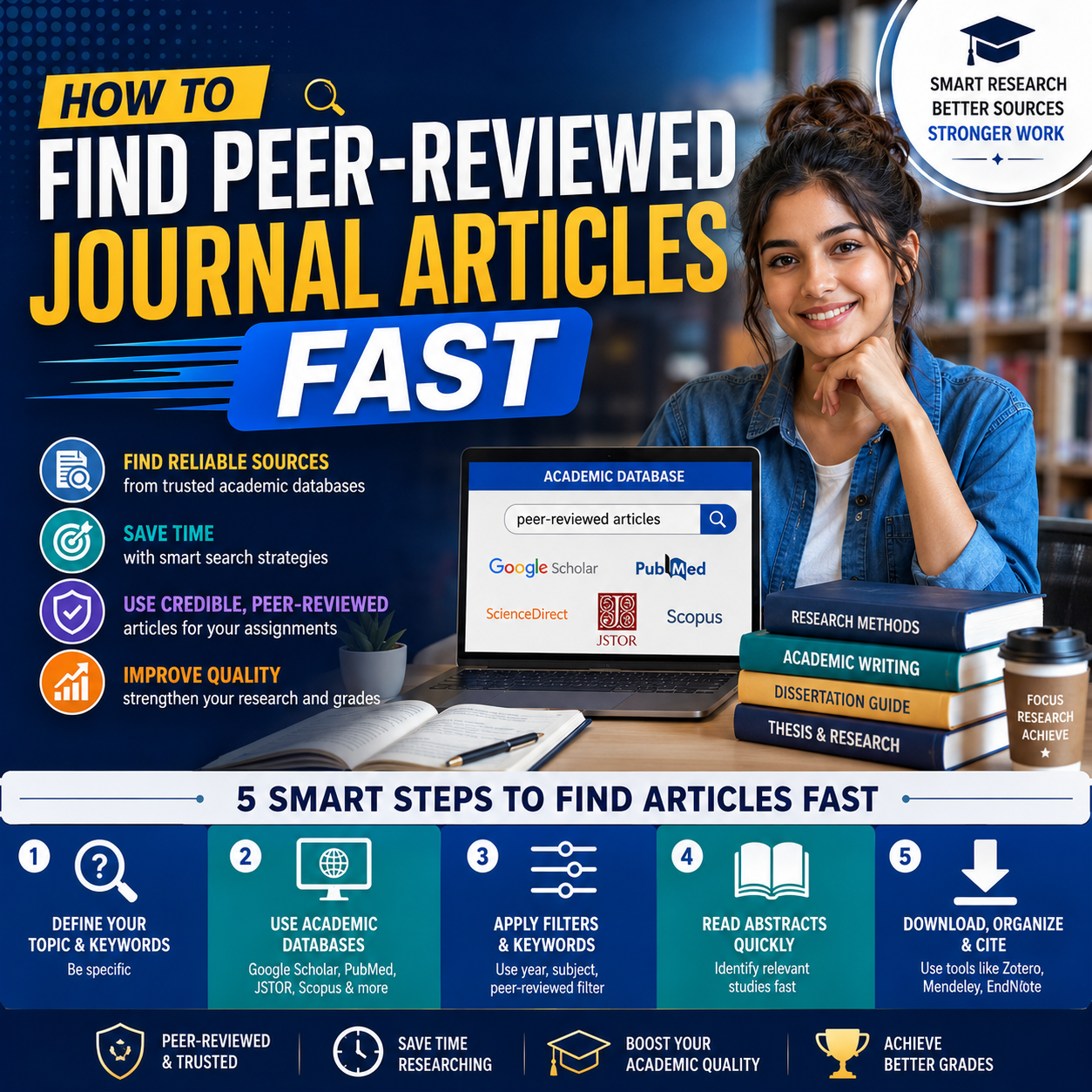
Start by using credible academic sources such as journal articles, university websites, textbooks, and scholarly databases. Reliable research strengthens assignment quality and improves academic credibility.

When reading sources, take organized notes and clearly distinguish between direct quotations, paraphrased ideas, and personal analysis. Labeling notes properly can prevent accidental copying later during writing.

Students should also record full bibliographic details for every source they use. This includes author names, publication dates, titles, page numbers, and URLs where applicable.

Using multiple sources instead of relying heavily on one reference can also reduce plagiarism risk while improving depth of analysis.

Mastering Proper Citation Techniques

Citation is one of the most effective ways to avoid plagiarism. Proper citations acknowledge original authors and allow readers to verify information sources.

Different universities require different referencing styles. Students must follow the style specified by their institution or lecturer.

Harvard Referencing

Harvard referencing uses author-date citations within the text and a reference list at the end. For example:

(Smith, 2024)

This style is widely used in business, humanities, and social sciences.

APA Referencing

APA referencing is commonly used in psychology, education, and social sciences. It follows a similar author-date format but includes specific formatting rules for sources and headings.

MLA Referencing

MLA referencing is frequently used in literature and humanities subjects. It focuses more on author names and page numbers.

Chicago Referencing

Chicago style often uses footnotes and bibliographies, especially in history and research-based disciplines.

Students should always check university guidelines carefully because formatting requirements may vary.

Law Dissertation Help for UK Students: The Ultimate Complete Guide

How to Paraphrase Correctly

Paraphrasing is one of the most valuable academic writing skills students can learn. Proper paraphrasing allows students to incorporate research findings while maintaining originality.

Effective paraphrasing involves understanding the source material fully and rewriting it entirely in your own words and sentence structure. Simply replacing a few words with synonyms is not enough.

A strong paraphrasing process usually involves these steps:

  1. Read the original source carefully.
  2. Understand the meaning completely.
  3. Put the source aside temporarily.
  4. Rewrite the idea naturally in your own style.
  5. Compare your version with the original.
  6. Add a citation acknowledging the source.

For example:

Original:
“Time management is essential for academic success among university students.”

Poor paraphrase:
“Time management is important for university student success.”

Better paraphrase:
University students who manage their schedules effectively are more likely to achieve strong academic performance.

Even after paraphrasing correctly, citations are still required because the original idea belongs to another author.

When to Use Direct Quotations

Direct quotations should be used carefully in academic writing. Quotations are appropriate when the exact wording is especially important, authoritative, or impactful.

However, excessive quoting can weaken originality and analytical depth. Universities generally prefer students to paraphrase and analyze information rather than rely heavily on direct quotes.

When using quotations:

  • Place copied text inside quotation marks.
  • Include proper citations.
  • Keep quotations concise.
  • Explain the significance of the quote in your own analysis.

For example:

According to Brown (2023), “critical thinking remains the foundation of effective academic writing.”

Students should then explain how the quotation supports their argument rather than simply inserting quotes without analysis.

How to Avoid Plagiarism in Academic Writing: The Ultimate Guide for Students
Effective Note-Taking Strategies to Prevent Plagiarism

Good note-taking habits can significantly reduce accidental plagiarism. Many students copy information into notes and later forget which parts came directly from sources.How to Avoid Plagiarism in Academic Writing

To avoid confusion:

  • Use quotation marks for direct copied text in notes.
  • Record source details immediately.
  • Separate personal ideas from source material.
  • Use color coding or labels for citations.
  • Avoid copying large blocks of text unnecessarily.

Digital note-taking tools such as OneNote, Notion, or Google Docs can help students organize research more effectively.

Using Plagiarism Checkers Responsibly

Plagiarism checkers can help students identify citation issues before submission. However, these tools should be used as support tools rather than shortcuts.How to Avoid Plagiarism in Academic Writing

Popular plagiarism checkers include:

  • Turnitin
  • Grammarly Plagiarism Checker
  • Quetext
  • Scribbr
  • Copyscape

Students should review plagiarism reports carefully instead of focusing only on similarity percentages. Some similarities may be harmless, such as properly cited references or common phrases.How to Avoid Plagiarism in Academic Writing

A low similarity score does not automatically guarantee originality if sources are improperly acknowledged. Likewise, a moderate similarity score may still be acceptable when quotations and references are used correctly.

Avoiding Plagiarism When Using AI Tools

AI writing tools such as ChatGPT and Grammarly are increasingly used by students for brainstorming, editing, and research support. However, students must use these tools responsibly.

Universities expect submitted work to reflect genuine student understanding and original academic effort. Copying AI-generated text directly without verification, editing, or referencing may create academic integrity concerns.

To use AI responsibly:

  • Use AI for brainstorming and idea generation.
  • Verify all facts and references independently.
  • Rewrite AI-generated suggestions in your own voice.
  • Add personal analysis and critical thinking.
  • Follow university policies regarding AI usage.

Students should remember that AI-generated content may contain inaccuracies, fabricated references, or generic explanations that weaken academic quality.

Building Original Arguments in Academic Writing

One of the best ways to avoid plagiarism is to focus on developing original analysis rather than simply summarizing sources.

Academic writing should not be a collection of copied information. Instead, students should:

  • Compare different viewpoints.
  • Critically evaluate evidence.
  • Explain implications.
  • Connect ideas logically.
  • Present independent conclusions.

For example, instead of only describing research findings, students can analyze why findings matter, how studies differ, or what limitations exist.How to Avoid Plagiarism in Academic Writing

Original thinking naturally reduces plagiarism risk because the writing reflects personal interpretation rather than copied material.How to Avoid Plagiarism in Academic Writing

Time Management and Plagiarism Prevention

Poor time management is one of the biggest causes of plagiarism. Students who rush assignments are more likely to copy material or make referencing mistakes.

Planning assignments early allows more time for:

  • Research
  • Drafting
  • Editing
  • Proofreading
  • Citation checking

Creating a writing schedule can reduce stress and improve assignment quality significantly.

Students should break large assignments into smaller stages, such as:

  • Topic selection
  • Research
  • Outline creation
  • First draft
  • Editing
  • Final proofreading

This structured approach helps students produce more thoughtful and original work.

Proofreading for Plagiarism Issues

Proofreading is not only about grammar and spelling. It is also essential for checking citations, paraphrasing quality, and source acknowledgment.How to Avoid Plagiarism in Academic Writing

During proofreading, students should:

  • Verify every citation.
  • Ensure all references appear in the bibliography.
  • Check quotation formatting.
  • Review paraphrased sections carefully.
  • Compare notes with final drafts.

Reading assignments aloud can also help students identify awkward phrasing or overly similar wording.

Many plagiarism issues are discovered during final proofreading stages, making this step extremely important.

Referencing Mistakes Students Should Avoid

Even students who understand citation rules can still make referencing errors. Common mistakes include:How to Avoid Plagiarism in Academic Writing

  • Missing page numbers
  • Incorrect author names
  • Broken URLs
  • Inconsistent formatting
  • Missing references in bibliographies
  • Citing sources that were not actually used

Consistency is critical in academic referencing. Students should follow one referencing style throughout the assignment rather than mixing formats.

Reference management tools such as Zotero, Mendeley, and EndNote can help students organize citations more efficiently.

How Teachers and Universities View Academic Integrity

Academic integrity is a core principle of higher education. Universities want students to learn honestly and demonstrate independent thinking.

Lecturers value originality because it reflects genuine understanding and effort. Even small improvements in personal analysis and critical thinking can make assignments stronger and more authentic.

Students who consistently practice ethical writing habits often develop better academic confidence and stronger research abilities over time.

Academic integrity is not just about avoiding punishment. It is about becoming a responsible scholar, researcher, and professional.

Practical Tips to Maintain Originality in Assignments

Students can maintain originality more effectively by following a few practical habits consistently.How to Avoid Plagiarism in Academic Writing

First, always start assignments early enough to allow time for proper research and editing. Rushed work increases plagiarism risk significantly.

Second, focus on understanding sources instead of memorizing wording. Deep understanding makes paraphrasing easier and more natural.

Third, write drafts from memory after reading sources rather than copying text directly while writing.

Fourth, use citations generously. If unsure whether a citation is needed, it is usually safer to include one.

Finally, develop personal academic voice through regular writing practice. Confident writers rely less on source wording and more on independent expression.

The Role of Critical Thinking in Avoiding Plagiarism

Critical thinking plays a major role in producing original academic writing. Students who analyze information deeply are less likely to rely heavily on copied material.How to Avoid Plagiarism in Academic Writing

Critical thinking involves:

  • Asking questions
  • Evaluating evidence
  • Identifying assumptions
  • Comparing perspectives
  • Drawing independent conclusions

Assignments become more original when students actively engage with ideas instead of simply repeating information from sources.

Universities reward critical analysis because it demonstrates intellectual growth and subject understanding.How to Avoid Plagiarism in Academic Writing

How International Students Can Avoid Plagiarism

International students may face additional challenges related to language barriers, unfamiliar referencing systems, or differences in academic culture.

Some educational systems place less emphasis on citation practices, which can create confusion when students enter UK, US, Canadian, or Australian universities.

International students can reduce plagiarism risks by:

  • Attending academic writing workshops
  • Reviewing university citation guides
  • Practicing paraphrasing regularly
  • Asking lecturers for clarification
  • Using proofreading services responsibly

Many universities provide free academic support centers specifically designed to help students improve writing and referencing skills.

The Difference Between Collaboration and Plagiarism

Many students work together during assignments, but collaboration can sometimes cross into plagiarism if boundaries are unclear.How to Avoid Plagiarism in Academic Writing

Discussing ideas with classmates is usually acceptable. However, copying another student’s writing, sharing completed assignments, or submitting nearly identical work is considered academic misconduct.

Students should always ensure that submitted work reflects their own independent writing and analysis.

Group projects may involve shared research, but individual contributions should still be original and properly referenced.How to Avoid Plagiarism in Academic Writing

Developing Long-Term Academic Writing Skills

Avoiding plagiarism is not just about one assignment. It is part of developing long-term academic writing skills that will benefit students throughout university and professional careers.How to Avoid Plagiarism in Academic Writing

Strong academic writers learn how to:

  • Research effectively
  • Analyze critically
  • Cite responsibly
  • Communicate clearly
  • Develop original arguments

These skills improve over time with practice and feedback.

Students who prioritize originality often become more confident learners because they genuinely understand the material they write about.How to Avoid Plagiarism in Academic Writing
How to Avoid Plagiarism in Academic Writing: The Ultimate Guide for Students

Conclusion

Plagiarism is one of the most serious issues in academic writing, but it is also one of the most preventable. By understanding what plagiarism is, learning proper citation techniques, improving paraphrasing skills, managing time effectively, and conducting ethical research, students can produce original and academically strong assignments confidently.How to Avoid Plagiarism in Academic Writing

Avoiding plagiarism is not simply about following university rules. It is about developing honesty, responsibility, and independent thinking as a student and future professional. Academic writing should reflect personal understanding, critical analysis, and respectful engagement with existing research.How to Avoid Plagiarism in Academic Writing

Students who invest time in learning academic integrity practices gain far more than higher grades. They build valuable research, communication, and analytical skills that support long-term educational and career success.How to Avoid Plagiarism in Academic Writing

In today’s academic environment, where plagiarism detection tools and AI technologies continue to evolve, originality matters more than ever. Students who approach academic writing ethically and thoughtfully will always stand out for the right reasons.

By applying the strategies explained in this guide, students can avoid plagiarism confidently, improve assignment quality, and strengthen their overall academic performance.How to Avoid Plagiarism in Academic Writing

Related articles

Stay Connected

0FansLike
0FollowersFollow
0FollowersFollow
0SubscribersSubscribe
spot_img

Latest posts